


Fermentation: The Science that Sustains Life
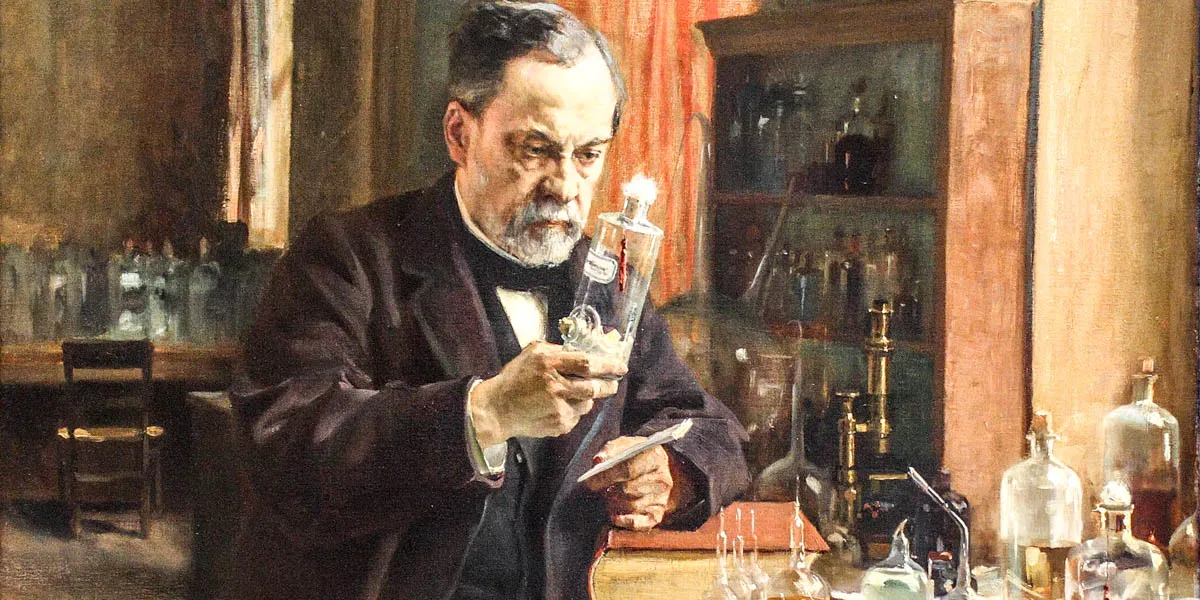
- Louis Pasteur
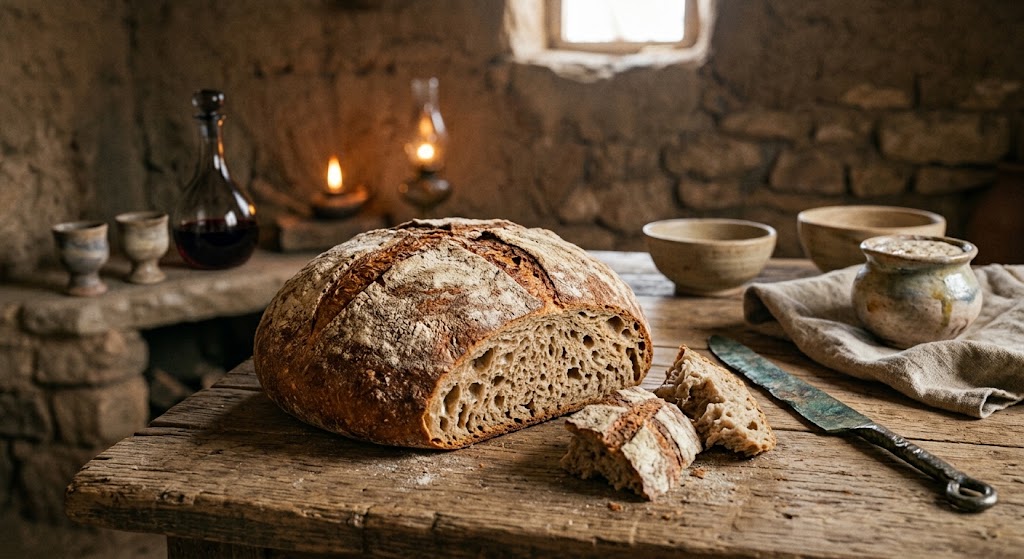
Fermentation has been trusted for millennia to preserve food and enhance flavor. While Louis Pasteur uncovered the microscopic magic behind it in the 19th century, the fundamental process has always relied on nature's own microbial architects. At TripleW, we are writing the next chapter of this ancient story. By harnessing specialized microorganisms to rapidly ferment food waste into pure, high-grade lactic acid, we transform yesterday’s leftovers into the building blocks of a sustainable, fossil-free future.
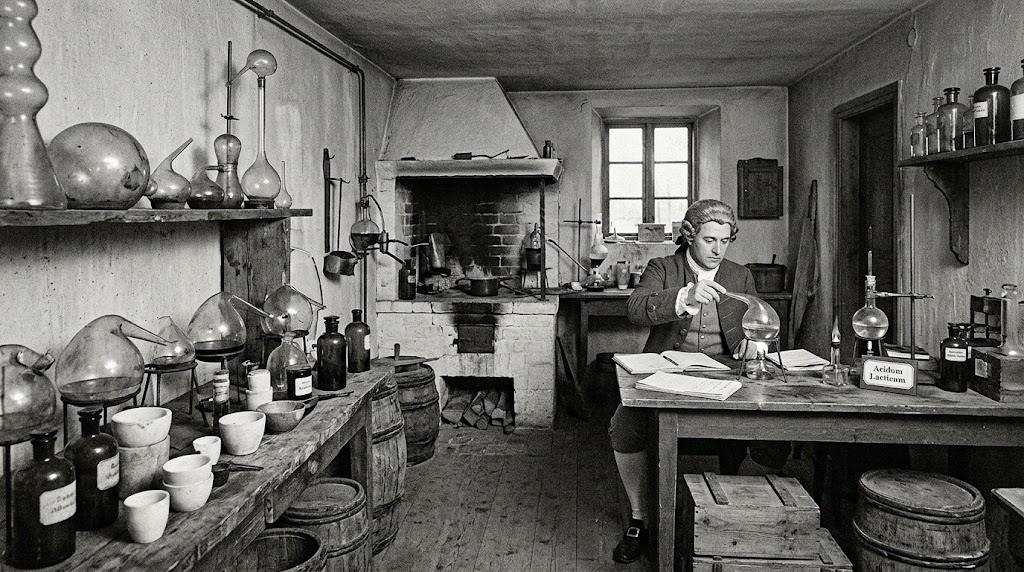

The scientific understanding of lactic acid began in 1780, when Swedish chemist Carl Wilhelm Scheele successfully isolated it from sour milk. Operating under the late 18th-century phlogiston theory, Scheele named the compound acidum lacticum ('milk’s acid'), believing it to be a component naturally built into milk.
Long before humans understood microbes, lactic acid fermentation was used as a vital survival technique for food preservation. Dating back thousands of years across various ancient cultures, people naturally preserved milk into cheese and yogurt, and vegetables into sauerkraut and kimchi, relying on the natural presence of lactic acid bacteria (LAB).
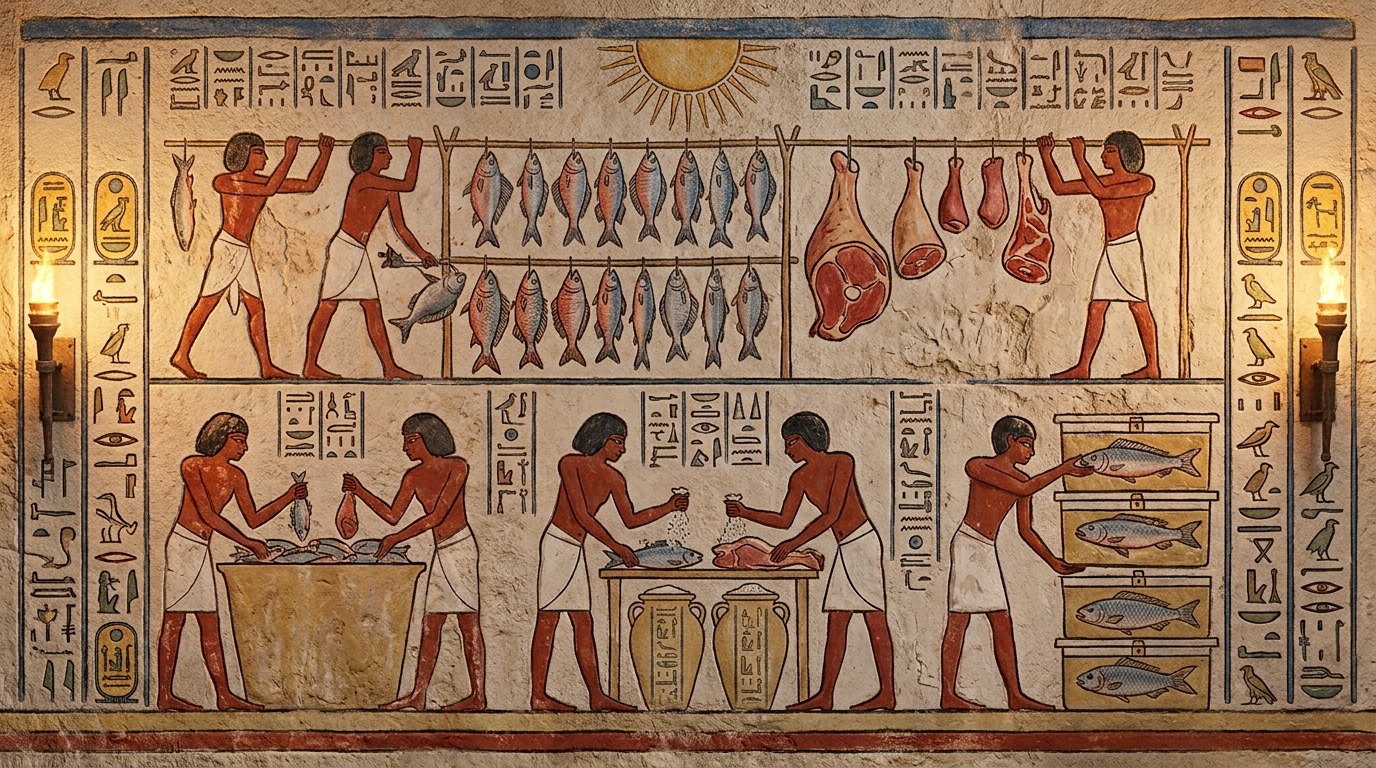
"Food preservation enabled ancient man to make roots and live in one place and form a community. He no longer had to consume the kill or harvest immediately, but could preserve some for later use. Each culture preserved their local food sources using the same basic methods of food preservation."
Brian A. Nummer, Ph.D.
National Center for Home Food Preservation
May 2002
Liquidlactic acid
Circulac LF80
Circulac LF88
Specialgrade lactic acid
Circulac HS80
Circulac LD88
Circulac HS88
Solidlactic acid
Circulac SD60
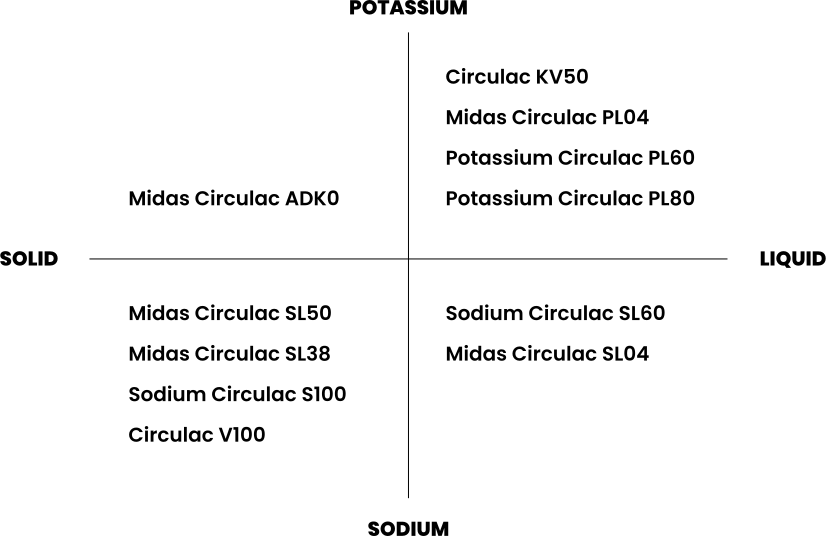
Liquid lactates
Sodium Circulac SL60 – usual dosage : 2 to 3% w/w formulation
Potassium Circulac PL60 – usual dosage : 2 to 3% w/w formulation
Liquid blends of lactate and diacetate
Midas Circulac SL04 – usual dosage : 1.5 to 2% w/w formulation
Midas Circulac SL10 – usual dosage : 1 to 1.8% w/w formulation
Midas Circulac PL04 – usual dosage : 1.5 to 2% w/w formulation
Midas Circulac PL10 – usual dosage : 1 to 1.8% w/w formulation
Solid lactate and blends of lactate and diacetate
Sodium Circulac S100 – Sodium Naturlac S100 : 0.4 to 0.6% w/w formulation
Midas Circulac SL50 – usual dosage : 0.4 to 0.6% w/w formulation
Midas Circulac SL38 – usual dosage : 0.3 to 0.5% w/w formulation
*Tailored products are available by demand
Liquid vinegars
Circulac KV50 : liquid buffered vinegar
Solid Vinegar
Circulac V100 : powder buffered vinegar
Special potassium (zero sodium) blend
Midas Circulac ADK0

